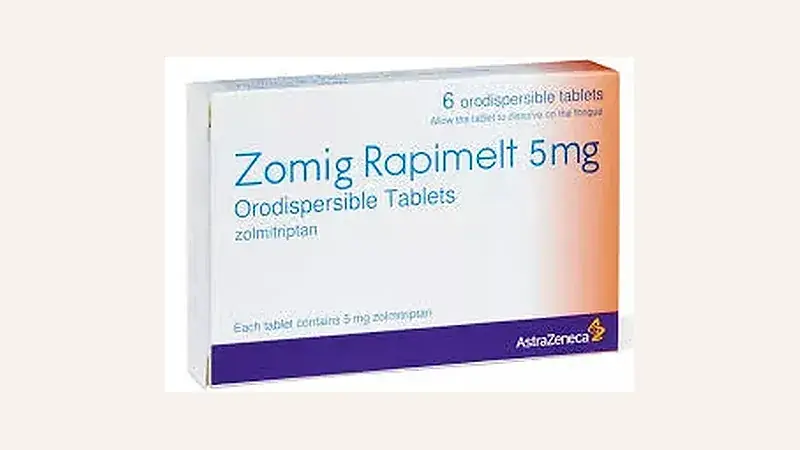
If you have ever taken sumatriptan, rizatriptan or zolmitriptan, you have used a triptan — one of the most effective treatments for an acute migraine attack. Unlike standard painkillers, triptans were developed specifically to target the biological processes behind migraine.
Taken correctly and early enough, a triptan can stop a migraine before it becomes severe. This guide covers how they work, when to take them, side effects, safety and how the different triptans compare.
The short answer
What are triptans?
Quick answer
Triptans are migraine-specific medicines that treat an attack after it has started. They reduce inflammation around the brain, block pain signals and reverse the temporary widening of blood vessels involved in migraine. UK options include sumatriptan, rizatriptan, zolmitriptan, naratriptan, eletriptan, almotriptan and frovatriptan — and they work best taken early in the headache phase.
The science
How do triptans work?
Migraine involves activation of the trigeminal nerve, which releases inflammatory chemicals including CGRP, causing pain and increased sensitivity. Triptans interrupt this process rather than simply masking the pain — in three ways.
1
Reduce CGRP release
They lower the release of CGRP and other neuropeptides that drive migraine.
2
Block pain signals
They interrupt pain transmission within the trigeminal nerve system.
3
Narrow blood vessels
They cause mild constriction of certain blood vessels around the brain, easing symptoms.
Timing is everything
When should you take a triptan?
Timing is one of the biggest reasons triptans succeed — or fail. The best results come from taking one as soon as the headache starts. They are generally not taken during the aura phase, and are less likely to work once a migraine is severe.
Best window
Less effective
Aura Headache begins Established Severe
Many people notice significant improvement within 30 minutes to 2 hours, depending on the medicine and formulation. Triptans can improve headache pain, throbbing, nausea, vomiting and sensitivity to light, sound and movement.
The options
Triptans available in the UK
All triptans work similarly, but differ in how fast they act, how long they last and how likely a migraine is to return. If one doesn’t suit you, another often will.
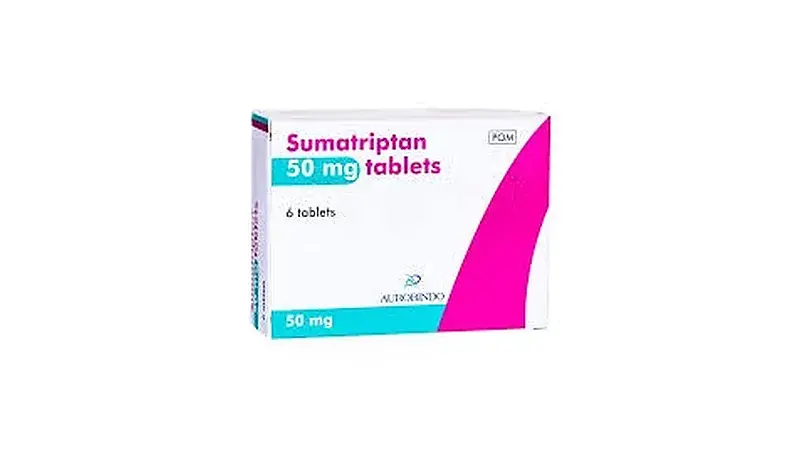
Sumatriptan
Often the first triptan prescribed. Extensive safety data, fast onset (especially by injection), and widely available.
TabletsNasal sprayInjection
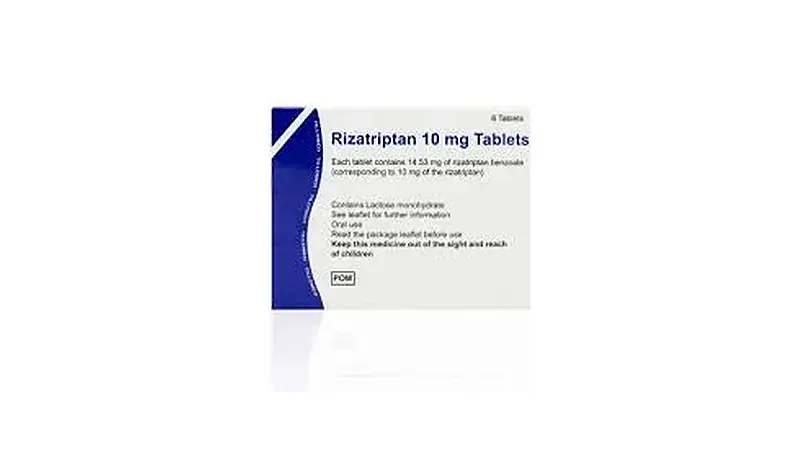
Rizatriptan
One of the fastest-acting oral triptans. Useful if nausea makes swallowing difficult.
TabletsMelt on the tongue
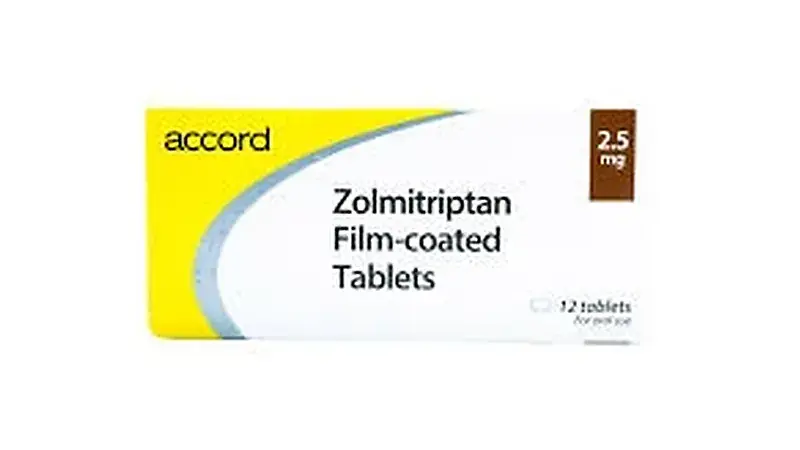
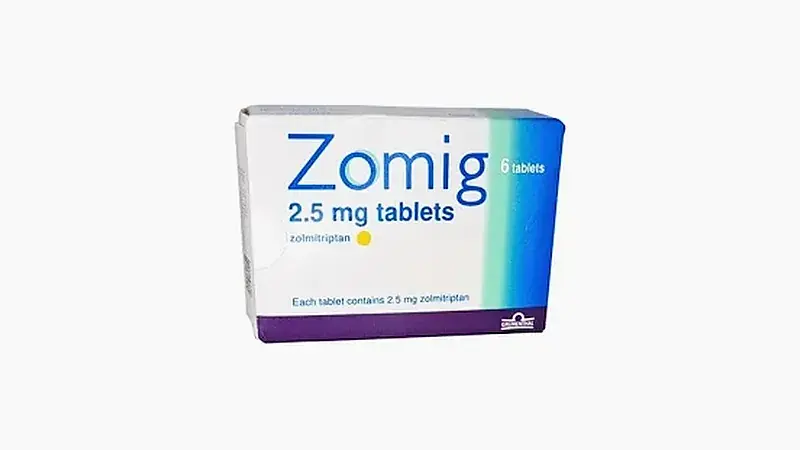
Zolmitriptan
Good for rapid treatment and migraine with nausea, with a nasal option for those who prefer it.
TabletsMelt tabletsNasal spray
Naratriptan
Acts more slowly but lasts longer, with lower recurrence rates — useful for longer or menstrual migraines.
Eletriptan
Often provides excellent pain relief, and may work well for people whose migraines haven’t responded to sumatriptan.
Almotriptan
Generally well tolerated, with a favourable side-effect profile.
Frovatriptan
The longest-acting triptan, frequently used for menstrual and predictable, hormonally-triggered migraine.
There is no single “best” triptan — response varies a lot between people. Finding the right one sometimes means trying more than one option. Many people also achieve better relief by combining a triptan with an anti-inflammatory (ibuprofen or naproxen) or an anti-sickness medicine, which can also improve absorption.
Treatments & prices
Triptans available at TribElle
Every triptan discussed above is available after a short online consultation reviewed by our prescribing team. If one doesn’t suit you, another often will — we can help you find the right fit and formulation.
Good to know
Side effects & who should take care
Common side effects
Most are mild and temporary:
TinglingWarm sensationFlushingNeck or jaw tightnessDizzinessSleepiness
Some notice chest tightness or pressure, usually not heart-related — but have it assessed promptly if it is severe, persistent or with breathlessness.
Usually not suitable if you have
×Previous heart attack or coronary artery disease
×Previous stroke or TIA
×Uncontrolled high blood pressure
×Significant peripheral vascular disease
They are also used with caution alongside multiple cardiovascular risk factors. Your clinician will assess whether a triptan is right for you.
Use it wisely
Avoiding medication overuse headache
10days/mo
Using triptans too often can cause medication overuse headache. As a guide, they should not be used on 10 or more days per month without a medical review. If you need acute treatment that often, a preventive medicine may help instead.
If triptans don’t work, it may be they were taken too late, the dose was too low, vomiting prevented absorption, or another triptan would suit better. Newer options — gepants (rimegepant, atogepant) and CGRP monoclonal antibodies (erenumab, fremanezumab, galcanezumab, eptinezumab) — help people whose migraines remain difficult to control.
During pregnancy and breastfeeding, sumatriptan is the best-studied triptan — always discuss treatment with your clinician first. See
migraine & pregnancy, and reduce attacks with
trigger management.
Common questions
Triptan FAQs
Are triptans painkillers?
No. Triptans are migraine-specific medicines that work on the neurological processes involved in migraine, rather than acting as general painkillers.
Which triptan works the fastest?
Among oral tablets, sumatriptan, rizatriptan and eletriptan are generally considered to have a rapid onset, although individual responses vary.
Can I take a triptan every time I get a migraine?
Yes, provided you use it as directed. However, frequent use (10 or more days each month) increases the risk of medication overuse headache and should prompt a review of your treatment plan.
Why doesn't my triptan always work?
Common reasons include taking it too late, vomiting before it is absorbed, or needing a different triptan or formulation. If your current treatment is unreliable, speak to your clinician about alternatives.
Can I take ibuprofen with a triptan?
Often, yes. Combining a triptan with an NSAID such as ibuprofen or naproxen can improve relief for some people. Check with your clinician or pharmacist that it is appropriate for you.
What should I do if one triptan doesn't work?
Don’t assume all triptans will fail. Many people respond well to one triptan after another hasn’t helped. Your clinician can help you choose an alternative based on your symptoms and previous response.
The bottom line
Triptans are among the most effective treatments for acute migraine and remain the first-line migraine-specific medicine for many people. They target the neurological pathways behind migraine rather than simply masking pain.
Taking one early, using the right formulation and avoiding overuse can transform your results. If your current triptan isn’t working — or you’re relying on it too often — a medication review may find a better strategy.