PMOS (Polyendocrine Metabolic Ovarian Syndrome) is the new name for what has traditionally been known as PCOS (Polycystic Ovary Syndrome). The change reflects growing recognition that the condition affects far more than the ovaries alone.
PMOS is a complex hormonal and metabolic condition that can affect:
- Menstrual cycles
- Fertility
- Weight regulation
- Insulin sensitivity
- Skin health
- Mental wellbeing
- Long-term cardiovascular health
This guide answers the most common questions about PMOS and explores available treatment options.
Treatments & prices
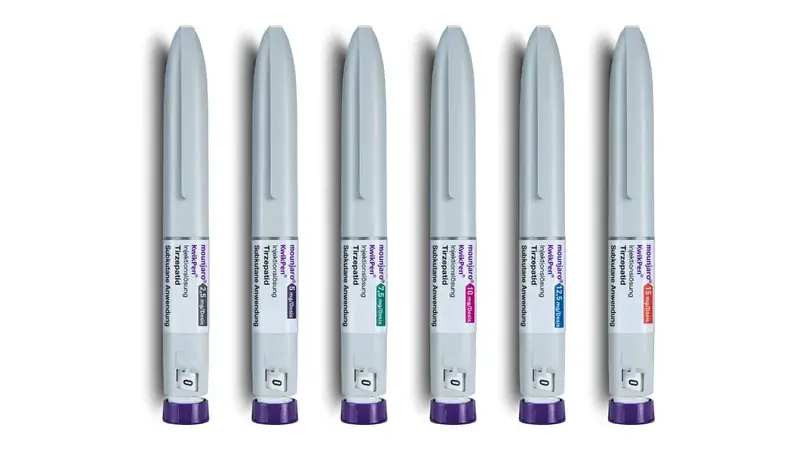
Mounjaro® (Tirzepatide)
Weekly injection pen
| Strength |
Price |
| 2.5mg |
£147 |
| 5mg |
£170 |
| 7.5mg |
£224 |
| 10mg |
£250 |
| 12.5mg |
£270 |
| 15mg |
£290 |

Wegovy® (Semaglutide)
Weekly injection pen
| Strength |
Price |
| 0.25mg |
£111 |
| 0.5mg |
£111 |
| 1mg |
£116 |
| 1.7mg |
£160 |
| 2.4mg |
£214 |
| 7.4mg (3 × 2.4mg pens / month) |
£570 |
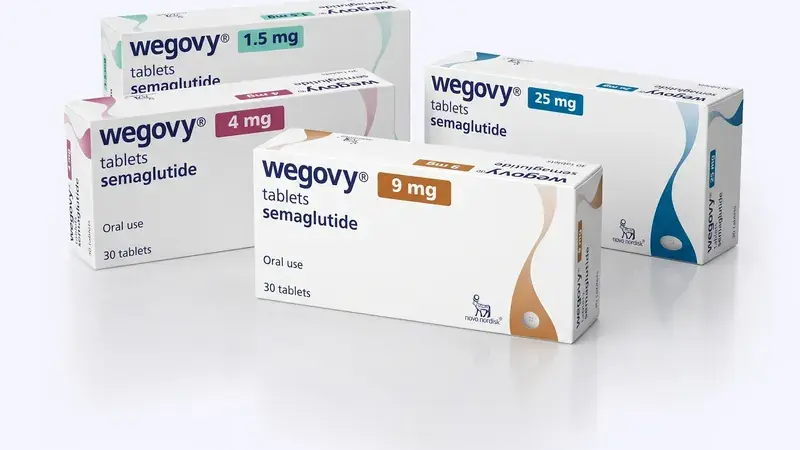
Wegovy® Tablets (Oral semaglutide)
Daily tablet
| Strength |
Price |
| Multiple strengths — pricing to be confirmed |
What PMOS affects
More than the ovaries
The new name reflects what research now recognises: PMOS is a hormonal and metabolic condition that reaches well beyond the ovaries, affecting systems across the whole body.
PMOS
Menstrual cycles
Fertility
Weight regulation
Insulin sensitivity
Skin health
Mental wellbeing
Cardiovascular health
Symptoms
How PMOS can show up
Symptoms vary from person to person and often span several of these areas at once.
Menstrual
Irregular periods Infrequent periods Absent periods Heavy periods
Hormonal & skin
Persistent acne Excess facial or body hair Scalp hair thinning
Metabolic
Weight gain Increased hunger Cravings Difficulty losing weight
Mental wellbeing
Anxiety Low mood Low self-esteem Body image concerns
Frequently asked questions
About PMOS
What is PMOS?
PMOS (Polyendocrine Metabolic Ovarian Syndrome) is a hormonal and metabolic condition that affects multiple body systems.
It is characterised by a combination of:
- Irregular or absent ovulation
- Hormonal imbalances
- Insulin resistance
- Metabolic dysfunction
- Reproductive symptoms
The term PMOS better reflects the broader endocrine and metabolic nature of the condition.
What is the difference between PMOS and PCOS?
PMOS and PCOS refer to the same condition.
The name change recognises that many women experience:
- Insulin resistance
- Weight management challenges
- Cardiovascular risk factors
- Mental health impacts
- Metabolic dysfunction
… without necessarily having ovarian cysts. The new terminology aims to provide a more accurate description of the condition.
What are the symptoms of PMOS?
Symptoms vary between individuals but may include:
Menstrual symptoms
- Irregular periods
- Infrequent periods
- Absent periods
- Heavy periods
Hormonal symptoms
- Acne
- Excess facial or body hair
- Hair thinning
- Oily skin
Metabolic symptoms
- Weight gain
- Difficulty losing weight
- Increased appetite
- Insulin resistance
Other symptoms
- Fatigue
- Sleep disturbances
- Anxiety
- Low mood
- Fertility difficulties
Not all women experience the same symptoms.
What causes PMOS?
The exact cause is not fully understood.
Research suggests PMOS involves a combination of:
- Genetics
- Insulin resistance
- Hormonal dysregulation
- Inflammation
- Environmental factors
Many women have a family history of the condition.
How is PMOS diagnosed?
There is no single test for PMOS.
Diagnosis may involve:
- Medical history review
- Menstrual history
- Blood tests
- Hormone testing
- Ultrasound scans
- Assessment of symptoms
Healthcare professionals will also rule out other conditions that can cause similar symptoms.
Can PMOS affect fertility?
Yes. PMOS can affect fertility because hormonal imbalances may disrupt ovulation.
Women with PMOS may experience:
- Irregular ovulation
- Delayed conception
- Difficulty predicting fertile windows
However, many women with PMOS conceive naturally or with appropriate medical support.
Can PMOS cause weight gain?
Yes. Many women with PMOS experience insulin resistance, which can contribute to:
- Weight gain
- Increased hunger
- Cravings
- Difficulty losing weight
Weight challenges are often linked to underlying metabolic changes rather than lack of willpower.
Is PMOS linked to insulin resistance?
Yes. Insulin resistance is considered one of the key drivers of PMOS.
High insulin levels may contribute to:
- Increased androgen production
- Weight gain
- Ovulation problems
- Increased metabolic risk
Managing insulin resistance is often a central part of treatment.
Treatment options
What are the treatment options for PMOS?
Treatment depends on:
- Symptoms
- Fertility goals
- Age
- Metabolic health
- Individual preferences
There is no cure, but symptoms can often be managed effectively.
Lifestyle management
Can diet help PMOS?
Yes. Many women benefit from dietary approaches that support:
- Blood sugar balance
- Insulin sensitivity
- Weight management
- Hormonal health
Helpful strategies may include:
- Increasing protein intake
- Eating fibre-rich foods
- Reducing highly processed foods
- Maintaining regular meal patterns
Does exercise help PMOS?
Regular physical activity can help improve:
- Insulin sensitivity
- Weight management
- Mood
- Cardiovascular health
Both strength training and aerobic exercise may be beneficial.
Metformin
What is metformin used for in PMOS?
Metformin is commonly prescribed to improve insulin sensitivity.
Potential benefits include:
- Improved blood sugar control
- More regular menstrual cycles
- Support with ovulation
- Weight management support
Not all women with PMOS require metformin.
Can metformin improve fertility?
In some women, improving insulin resistance may help restore ovulation and improve fertility outcomes.
Treatment decisions should be individualised.
GLP-1 medications
Can GLP-1 medications help PMOS?
Research suggests they may help:
- Weight management
- Appetite regulation
- Insulin resistance
- Metabolic health
Some studies have also reported improvements in menstrual regularity and ovulation.
Are GLP-1 medications fertility treatments?
No. Although some women may experience improved ovulation, GLP-1 medications are not currently approved as fertility treatments.
Women planning a pregnancy should discuss treatment with a healthcare professional.
Contraception
Do I need contraception if I have PMOS?
Yes. Even if periods are irregular, pregnancy can still occur.
Women who do not wish to become pregnant should use appropriate contraception.
Can PMOS affect contraceptive choices?
Sometimes. A healthcare professional may consider:
- Weight
- Blood pressure
- Migraine history
- Metabolic health
- Personal preferences
… when discussing contraception options.
Long-term health & wellbeing
Is PMOS associated with other health conditions?
Women with PMOS may have an increased risk of:
- Type 2 diabetes
- Prediabetes
- Cardiovascular disease
- High cholesterol
- Sleep apnoea
- Mental health conditions
Regular health reviews can help identify and manage risks early.
Can PMOS affect mental wellbeing?
Yes. Research shows women with PMOS may be more likely to experience:
- Anxiety
- Depression
- Low self-esteem
- Body image concerns
Support should address both physical and emotional wellbeing.
When should I seek medical advice?
Speak to a healthcare professional if you experience:
- Irregular or absent periods
- Excess facial hair growth
- Persistent acne
- Difficulty conceiving
- Unexplained weight gain
- Symptoms affecting quality of life
Early diagnosis may help reduce long-term health risks.
PMOS & fertility
Can I get pregnant naturally with PMOS?
Yes. Many women with PMOS conceive naturally, although some may require support to improve ovulation or fertility outcomes.
Does losing weight cure PMOS?
No. Weight loss may improve symptoms for some women, but PMOS is a complex hormonal and metabolic condition that requires ongoing management.
Will PMOS go away after menopause?
Hormonal symptoms may change after menopause, but metabolic and cardiovascular risks can persist.
Final thoughts
PMOS is one of the most common hormonal and metabolic conditions affecting women, yet many remain undiagnosed for years.
The good news is that a combination of lifestyle support, medical treatment, metabolic management and personalised care can help improve symptoms, fertility outcomes and long-term health.
If you suspect you may have PMOS or are struggling with symptoms, speaking to a healthcare professional is an important first step towards understanding your options and receiving appropriate support.