Answer two questions and we will point you to a sensible starting point. Every option is prescription-only, so a TribElle clinician confirms the final choice in your consultation.
1Have you taken a migraine treatment before?
2During an attack, how do you get on with tablets?
Answer both questions to see a suggested starting point.
The most widely prescribed triptan in the UK and the standard place to start. Well understood, lowest cost, and taken as a normal tablet at the first sign of an attack.
Also worth asking about: Rizatriptan 10mg if you want a faster-acting tablet.
Dissolves on your tongue, so there is nothing to swallow and no need for water. A good first treatment if tablets are difficult, or if attacks start when you are out.
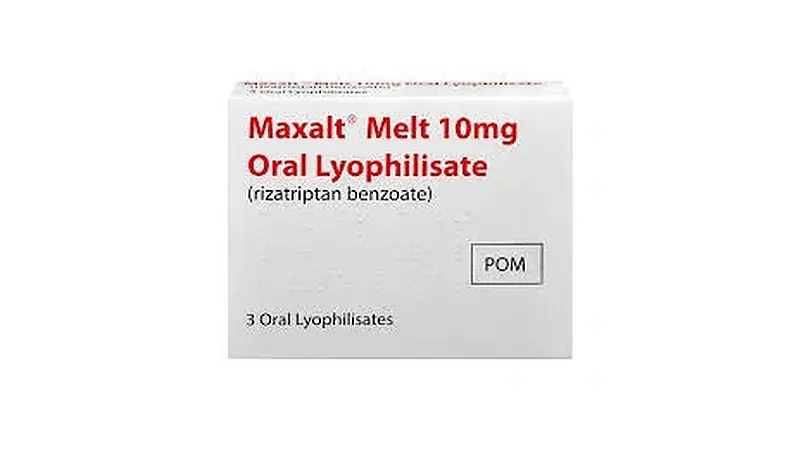
Also worth asking about: Maxalt Melt 10mg, the same idea with a different active medicine.
A wafer that melts on the tongue, with rizatriptan as the active medicine. So it changes both the format and the drug if sumatriptan tablets have let you down.
If tablets have not worked and sickness is part of your attacks, the two may be connected. A treatment you vomit back up never gets the chance to work. The spray removes that problem.
Also worth asking about: an anti-sickness medicine, and whether a preventive plan would suit your cycle.
This is a guide, not a prescription. Your consultation is reviewed by a prescriber who checks the medicine is safe and suitable for you, and we will say so if it is not.
Understanding hormonal migraine
Why migraine follows your cycle
Oestrogen rises and falls across the menstrual cycle. For many women, it’s the sharp drop in oestrogen just before a period that can trigger a migraine attack.
The days just before and during your period, when oestrogen is at its lowest, are when menstrual migraine is most likely to strike.
3×
Migraine is around three times more common in women than in men.
~1 in 7
people live with migraine, making it one of the most common neurological conditions.
2–3 days
Menstrual attacks often cluster from two days before a period to the first few days of bleeding.
Not sure what to try?
Answer two questions and see our recommendation
Tablets, melts or a nasal spray. It takes about ten seconds.
Aura means warning symptoms, usually visual, before an attack. The difference matters because it affects which treatments and contraception are safe for you.
Visual warning signs
With aura
Affects contraception choice
Warning symptoms appear before the headache, usually visual, and typically lasting up to an hour.
Common signs
Zig-zag linesFlashing lightsBlind spots
No warning signs
Without aura
The most common type
The migraine begins without any warning phase. Most menstrual migraine is of this type.
Common signs
Throbbing painNauseaLight sensitivity
If you have migraine with aura, the combined (oestrogen-containing) pill is generally not recommended. A clinician can talk you through safer options.
Migraine across your life
Hormonal migraine can change at every stage, often starting in the teens, easing or worsening in pregnancy, and frequently peaking in the run-up to menopause before settling afterwards.
Hormonal migraine is migraine that is linked to changes in your hormones, most often the fall in oestrogen around your period. There are two main patterns:
Pure menstrual migraine: attacks only around the time of your period.
Menstrually-related migraine: attacks around your period and at other times too.
What are the symptoms?
Migraine is more than a headache. Common symptoms include:
Moderate-to-severe throbbing head pain, often on one side
Nausea or vomiting
Sensitivity to light, sound or smell
Visual disturbances (aura) in some people, such as flashing lights or blind spots
What’s the difference between migraine with and without aura?
Aura refers to warning symptoms (usually visual, such as zig-zag lines, flashing lights or blind spots) that appear before or during a migraine. Migraine without aura has no such warning signs.
The distinction matters because migraine with aura affects which contraception and treatment options are safe for you (see below).
Triggers & the hormone link
Why do periods trigger migraine?
In the days just before your period, oestrogen levels fall sharply. This drop is thought to affect brain chemicals and blood vessels in ways that can trigger a migraine in susceptible women. It’s the same hormonal shift behind migraine changes during pregnancy and menopause.
What else can trigger an attack?
Hormones often combine with other triggers, including:
Stress, or the come-down after a stressful period
Poor or disrupted sleep
Dehydration and skipped meals
Caffeine, alcohol and certain foods
Treatment & relief
How are migraine attacks treated?
Treatment falls into two broad approaches:
Acute relief: taken when an attack starts, such as triptans (sumatriptan, rizatriptan, zolmitriptan), anti-sickness medicines and anti-inflammatory painkillers.
Prevention: taken regularly, or around your period, to reduce how often attacks happen.
A short consultation helps our prescribing team recommend the right option for you.
What are triptans and how do they work?
Triptans are a group of medicines designed specifically to treat migraine attacks. They work on serotonin receptors to narrow blood vessels and calm the pain pathways involved in migraine. They’re most effective taken early in an attack, and come as tablets, melts and nasal sprays.
Can hormonal migraine be prevented?
Often, yes. Depending on your pattern, options may include taking medication in the days around your period, daily preventer medicines, or steadying hormone levels. Tracking your attacks against your cycle helps identify the best approach, something a clinician can guide you through.
Contraception & safety
Is the combined pill safe if I get migraine with aura?
Combined hormonal contraception (containing oestrogen) is generally not recommended for women who have migraine with aura, because it can increase the risk of stroke. Progestogen-only and non-hormonal options are usually considered instead. Always discuss this with a healthcare professional, who can review your full history.
When should I seek medical advice?
Speak to a healthcare professional if migraines are frequent, severe, or affecting your daily life. Effective treatment is available. Seek urgent medical attention if you experience:
A sudden, severe “thunderclap” headache unlike any before
Headache with fever, stiff neck, confusion or a rash
Hormonal and menstrual migraine are common, predictable, and very treatable, yet many women put up with them for years before seeking help.
Understanding your pattern is the first step. With the right acute relief and, where needed, a preventive plan, most women can reduce both how often attacks happen and how much they disrupt daily life.