If you have ever experienced flashing lights, zig-zag patterns, blind spots or tingling before a migraine, you may have migraine with aura. For many people the aura can feel more frightening than the headache itself, and some worry they are having a stroke.
The reassuring news is that migraine with aura is a recognised neurological condition. It needs careful assessment, but effective treatments and strategies are available to reduce attacks and improve quality of life.
The short answer
What is migraine with aura?
Quick answer
Migraine with aura is a type of migraine in which temporary neurological symptoms occur before or during the headache. Aura most commonly affects vision, but can also cause numbness, tingling or speech difficulties. These symptoms usually develop gradually over 5–60 minutes and resolve completely.
Understanding aura
Aura is not a stroke
Migraine is a neurological disorder rather than simply a headache. Around one in three people with migraine experience aura, though not with every attack. Unlike a stroke, aura symptoms follow a recognisable pattern.
A shimmering blind spot or crescent of zig-zag light often grows slowly outward from the centre of vision before fading.
Aura usually…
✓Develops gradually rather than all at once
✓Spreads slowly over several minutes
✓Resolves completely, usually within an hour
✓Follows a similar pattern each time
Some people have aura before the headache, during it, or occasionally with no headache at all — known as typical aura without headache.
Symptoms
What does aura feel like?
Visual symptoms are the most common. They usually affect both eyes, although it can feel as though only one eye is involved.
Flashing lights Zig-zag lines Shimmering patterns Blind spots Tunnel vision Distorted vision Like frosted glass
Sensory aura
Tingling in the fingers, numbness, or pins and needles travelling up one arm or around the lips.
Speech aura
Temporary difficulty finding words, speaking clearly or understanding language. Frightening, but usually resolves within an hour.
Less common
Dizziness, vertigo, double vision, difficulty concentrating and, rarely, temporary weakness.
The four phases
How a migraine attack unfolds
Not everyone experiences all four phases, but many attacks move through a recognisable sequence.
Phase 11
Prodrome
Hours to days before
Yawning, food cravings, mood changes, fatigue or neck stiffness.
Phase 22
Aura
5–60 minutes
Neurological symptoms develop gradually — usually visual, sometimes sensory or speech.
Phase 33
Headache
4–72 hours
Throbbing, often one-sided pain with nausea and sensitivity to light, sound and smell.
Phase 44
Postdrome
The “hangover”
Fatigue, brain fog, poor concentration, low mood or neck pain.
The science
What causes aura?
Researchers believe aura is caused by a wave of altered electrical activity moving across the surface of the brain, a process called cortical spreading depression.
Despite its name, it has nothing to do with mental health. It describes a temporary wave of increased and then reduced activity in brain cells, which produces the neurological symptoms of aura. Scientists are still investigating exactly why it happens.
Stroke risk in perspective
Is migraine with aura dangerous?
For most people, no
Migraine with aura is linked to a small increase in the risk of ischaemic stroke compared with people who do not have aura. It is important to keep this in perspective: most people with migraine with aura will never have a stroke, and the overall risk stays low, particularly in younger people without other risk factors.
Factors that increase the risk further
Smoking High blood pressure Diabetes High cholesterol Obesity Cardiovascular disease Oestrogen-containing contraceptives Increasing age
This is why clinicians often recommend managing these risk factors proactively, and why the combined pill is generally avoided if you have aura. See
migraine & contraception.
Diagnosis
How is it diagnosed?
Diagnosis is usually based on your symptoms, medical history, a neurological examination and the pattern of your attacks. Brain scans are not routinely required if symptoms are typical, though imaging may be recommended if symptoms are unusual or have changed significantly.
Safety
When to seek urgent medical attention
Seek immediate assessment if you experience…
!Your first ever aura after age 50
!A sudden, severe “thunderclap” headache
!Aura lasting longer than one hour
!Weakness affecting one side of the body, or persistent speech problems
!Loss of consciousness
!New symptoms that differ from your usual pattern, or symptoms that do not fully resolve
Treatment options
How migraine with aura is treated
Treatment has two aims: settling an attack when it starts, and reducing how often attacks happen.
Treating the attack
Acute treatment
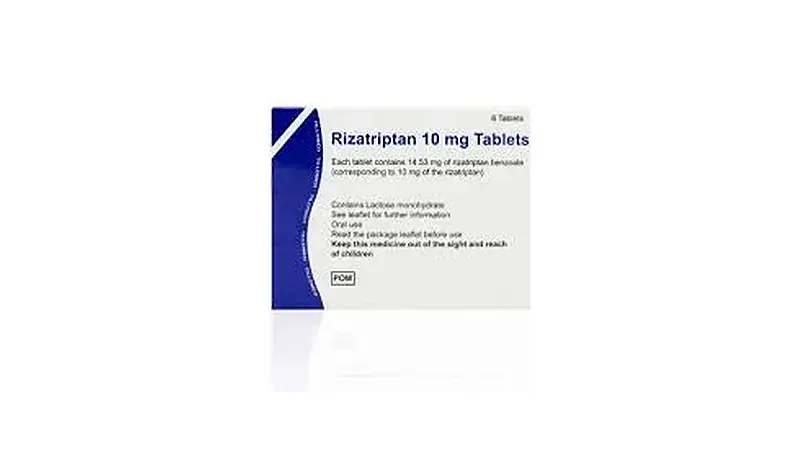
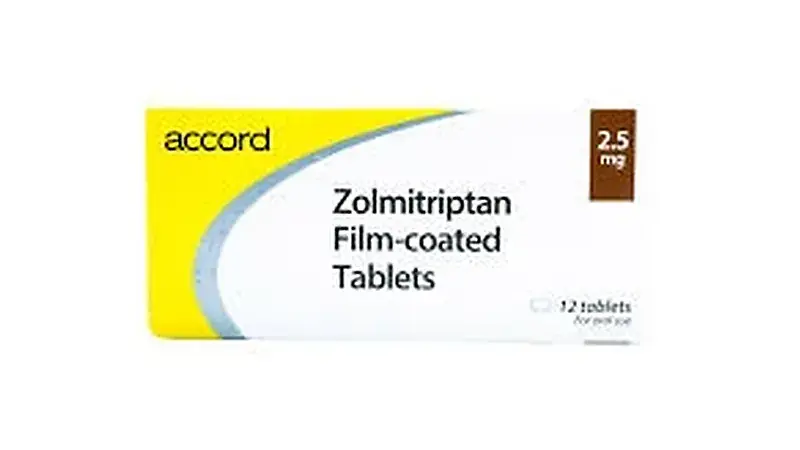
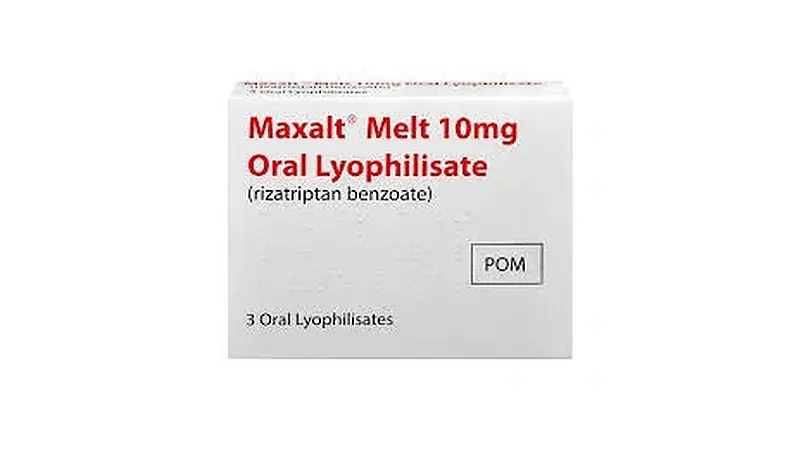
Triptans (sumatriptan, rizatriptan, zolmitriptan) work best taken early in the headache phase — generally not during the aura itself. Painkillers such as ibuprofen, naproxen or paracetamol may be used alone or alongside a triptan, and anti-sickness medicines help if nausea is significant.
TriptansAnti-inflammatoriesAnti-sickness
Preventing attacks
Prevention
If attacks are frequent or disabling, a preventer may help — beta blockers (propranolol), anti-seizure medicines (topiramate), or newer CGRP-targeted treatments and gepants for people who have not responded to other options.
PropranololTopiramateCGRP medicinesGepants
Treatments & prices
Acute treatments we offer
Fast-acting relief to take once the headache begins (triptans are taken at the headache stage, not during the aura). All require a short consultation reviewed by our prescribing team.
Lifestyle habits support medication: regular sleep, staying hydrated, regular meals, managing stress and keeping a migraine diary. Consistent daily routines often help more than trying to avoid every possible trigger. Read more on
common migraine triggers and
how triptans work.
Common questions
Migraine with aura FAQs
Can you have aura without a headache?
Yes. Some people experience aura without developing a headache afterwards, known as typical aura without headache or acephalgic migraine. Because these symptoms can resemble other neurological conditions, a first episode should always be assessed by a healthcare professional.
How long does migraine aura last?
Aura usually lasts between 5 and 60 minutes. Symptoms that last longer than an hour, are unusually severe, or differ from your normal pattern should be assessed urgently.
Is migraine with aura hereditary?
Migraine often runs in families. Having a close relative with migraine increases your likelihood of developing it, although the inheritance pattern is complex and shaped by both genetic and environmental factors.
Can migraine with aura become chronic?
Yes. Chronic migraine is defined as headache on 15 or more days per month, with migraine features on at least 8 of those days, for more than three months. Early assessment and appropriate treatment can help reduce this risk.
Can I drive during a migraine aura?
You should not drive if your aura affects your vision, concentration, coordination or ability to control a vehicle safely. Wait until all symptoms have fully resolved before driving.
Can stress cause migraine with aura?
Stress is one of the most commonly reported migraine triggers. Interestingly, many attacks occur after a stressful period ends rather than during it — sometimes called the “let-down” effect.
The bottom line
Migraine with aura is a common neurological condition marked by temporary visual or sensory symptoms that usually precede a headache. It carries a small increase in stroke risk, but most people with aura will never have a stroke.
With an accurate diagnosis, the right treatment, trigger management and ongoing support, many people can reduce how often attacks happen and how much they disrupt daily life.