Heavy periods, pelvic pain, adenomyosis and endometriosis affect millions of women across the UK. Yet many wait years before receiving answers, a diagnosis or effective treatment.
This page answers the most common questions about menstrual health conditions, including symptoms, causes and evidence-based treatment options.
Treatments & prices
Understanding the conditions
Endometriosis vs adenomyosis
Both involve womb-lining tissue growing where it shouldn’t, just in different places.
Endometriosis
Grows OUTSIDE the uterus
Tissue similar to the womb lining grows outside the uterus, on the ovaries, pelvis, bowel and bladder, causing inflammation and pain.
Common symptoms
Severe period pain Pelvic pain between periods Pain during sex Fatigue
Tissue in the muscle wall
Adenomyosis
Grows INTO the muscle wall
Tissue from the womb lining grows into the muscular wall of the uterus, which can become enlarged and painful.
Common symptoms
Heavy or prolonged periods Severe cramping Pelvic pressure Bloating
Although they can occur together, they’re different conditions: endometriosis grows outside the uterus, while adenomyosis grows into its muscle wall. Both can cause heavy bleeding and significant pelvic pain.
Frequently asked questions
Conditions & symptoms
What is considered a heavy period?
A heavy period (also called menorrhagia) is menstrual bleeding that is unusually heavy or lasts longer than normal.
Signs of a heavy period may include:
- Bleeding through pads or tampons quickly
- Passing large blood clots
- Needing to change protection overnight
- Bleeding lasting longer than 7 days
- Fatigue or symptoms of anaemia
- Periods affecting work, sleep or daily life
Heavy periods are common but should not be ignored, especially if they are affecting quality of life.
What causes heavy periods?
Heavy periods can have many possible causes, including:
- Hormonal imbalance
- Fibroids
- Endometriosis
- Adenomyosis
- Polycystic ovary syndrome (PMOS/PCOS)
- Perimenopause
- Copper coil contraception
- Bleeding disorders
- Thyroid conditions
Sometimes, no single cause is identified.
When should I speak to a healthcare professional about heavy periods?
You should seek medical advice if:
- Your periods suddenly become much heavier
- You feel dizzy, breathless or fatigued
- You are passing large clots regularly
- Your bleeding interferes with daily life
- You have severe pelvic pain
- You bleed between periods
- Symptoms worsen over time
What is endometriosis and what are the symptoms?
Endometriosis is a long-term condition where tissue similar to the lining of the womb grows outside the uterus.
This tissue can affect the ovaries, pelvis, bowel, bladder and surrounding structures, causing inflammation and pain.
Common symptoms include:
- Severe period pain
- Pelvic pain outside periods
- Pain during sex
- Heavy bleeding
- Painful bowel movements
- Bloating
- Fatigue
- Fertility difficulties
Symptoms can vary significantly between women.
How is endometriosis diagnosed?
Diagnosis may involve:
- Symptom assessment
- Pelvic examination
- Ultrasound imaging
- MRI scans
- Laparoscopy surgery in some cases
Unfortunately, many women experience delays in diagnosis.
What is adenomyosis and what are the symptoms?
Adenomyosis occurs when tissue from the lining of the womb grows into the muscular wall of the uterus.
This can cause the uterus to become enlarged and painful.
Symptoms may include:
- Heavy or prolonged periods
- Severe cramping
- Pelvic pressure
- Bloating
- Pain during periods
- Chronic pelvic pain
Adenomyosis is most commonly diagnosed in women aged 35–50, but can occur earlier.
What is the difference between adenomyosis and endometriosis?
Although the conditions can occur together, they are different:
- Endometriosis involves tissue growing outside the uterus
- Adenomyosis involves tissue growing into the muscular wall of the uterus
Both conditions can cause heavy bleeding and significant pelvic pain.
What are the treatment options for heavy periods and menstrual pain?
Treatment depends on:
- The underlying cause
- Symptom severity
- Age and hormone profile
- Fertility goals
- Medical history
Some women benefit from medication to help manage heavy bleeding and period pain.
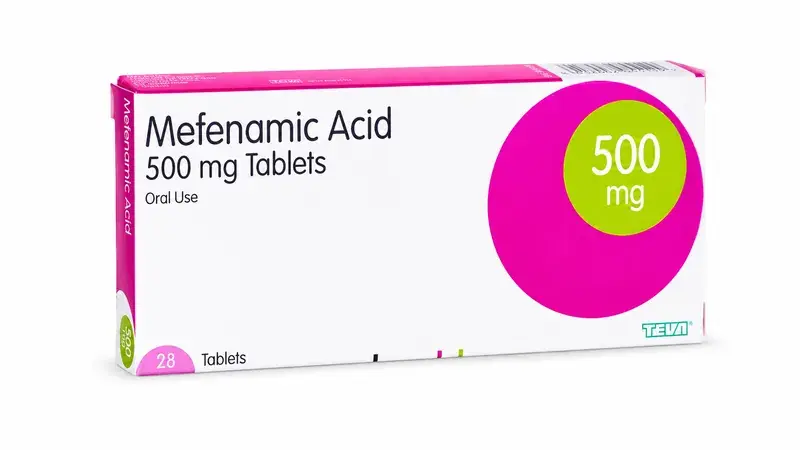
Mefenamic acid
What is mefenamic acid used for?
Mefenamic acid is a non-steroidal anti-inflammatory drug (NSAID) commonly used to treat:
- Period pain
- Heavy menstrual bleeding
- Pelvic cramping
- Pain associated with endometriosis
It works by reducing prostaglandins, chemicals involved in pain and inflammation.
Can mefenamic acid reduce heavy bleeding?
Yes. Mefenamic acid may help reduce menstrual blood loss while also improving pain symptoms.
It is often used during periods only.
Who should avoid mefenamic acid?
Mefenamic acid may not be suitable for people with:
- Stomach ulcers
- Kidney disease
- Severe asthma triggered by NSAIDs
- Certain cardiovascular conditions
- NSAID allergies
Always speak to a healthcare professional before use.
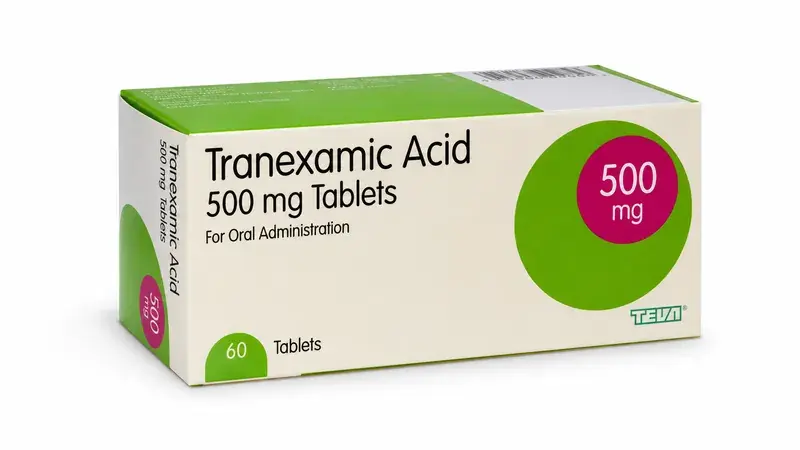
Tranexamic acid
What is tranexamic acid used for?
Tranexamic acid is a medication used to reduce heavy menstrual bleeding.
It works by helping blood clot more effectively and reducing blood loss during periods.
How effective is tranexamic acid for heavy periods?
Research suggests that tranexamic acid can significantly reduce menstrual blood loss in many women.
It is commonly prescribed for:
- Heavy periods
- Fibroid-related bleeding
- Adenomyosis-associated bleeding
When is tranexamic acid taken?
Tranexamic acid is usually taken during the heaviest days of a period.
It does not stop periods completely but may reduce bleeding volume.
Who should not take tranexamic acid?
Tranexamic acid may not be suitable for women with:
- A history of blood clots
- Certain clotting disorders
- Some cardiovascular conditions
Medical assessment is important before starting treatment.
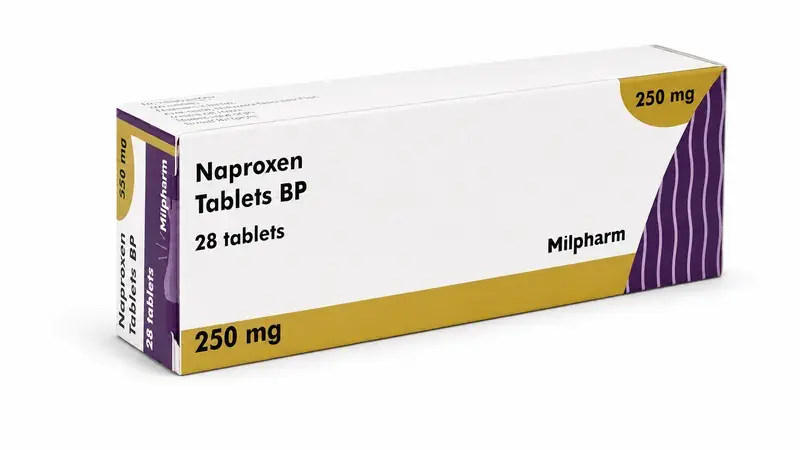
Naproxen
What is naproxen used for during periods?
Naproxen is another NSAID used to treat:
- Period pain
- Pelvic inflammation
- Cramping
- Endometriosis-related pain
It works by reducing inflammation and pain-signalling chemicals.
Is naproxen stronger than ibuprofen for period pain?
Naproxen lasts longer in the body than ibuprofen and may provide more sustained relief for some women.
However, the most appropriate option depends on individual symptoms and medical history.
Can naproxen help endometriosis pain?
Naproxen may help reduce inflammatory pain associated with endometriosis and menstrual cramping.
Some women find it useful alongside other hormonal or non-hormonal treatments.
Living with heavy periods & pelvic pain
What lifestyle and supportive measures can help?
Alongside medication, some women benefit from:
- Heat therapy
- Regular movement and exercise
- Stress management
- Sleep support
- Nutritional support
- Hormonal assessment
- Pelvic physiotherapy
Managing menstrual health often requires a personalised and holistic approach.
When should I seek urgent medical advice?
Seek urgent medical attention if you experience:
- Extremely heavy bleeding
- Severe sudden pelvic pain
- Fainting or collapse
- Shortness of breath
- Symptoms of severe anaemia
- Fever alongside pelvic pain
Final thoughts
Heavy periods, endometriosis and adenomyosis are common but often underdiagnosed conditions that can significantly affect physical health, emotional wellbeing and quality of life.
The good news is that treatment options are available. Medications such as mefenamic acid, tranexamic acid and naproxen may help manage symptoms and improve daily functioning for many women.
If your periods are affecting your quality of life, speaking to a healthcare professional can help you explore appropriate investigations and treatment options tailored to your needs.